Foot Traffic Measurement: Essential Strategies for Enhanced Retail InsightsFoot Traffic Measurement: Essential Strategies for Enhanced Retail Insights

0 Comments 12:00 am

Foot traffic measurement is a vital part of running a successful brick-and-mortar business. By analysing foot traffic, we can gain insights into customer behaviour, optimise store layout, and enhance the overall customer experience. In today’s competitive retail environment, understanding how many people enter and move around our stores can help us make informed decisions that drive success.

A busy city street with people walking and cars driving, with a digital sign displaying the number of pedestrians passing by

We need to track foot traffic to identify peak periods and evaluate the effectiveness of our marketing strategies. This data allows us to adjust staffing levels, arrange displays, and create promotions that entice more customers. With effective measurement techniques, we can turn insights into actionable strategies that lead to increased sales and improved customer satisfaction.

Understanding foot traffic isn’t just about counting visitors; it’s about using that data to foster growth. By implementing robust retail analytics, we can align our offerings with customer preferences and ensure we are meeting their needs effectively.

Key Takeaways

  • Measuring foot traffic helps us understand customer behaviour in-store.
  • Analysing foot traffic data can optimise our store layout and promotions.
  • Effective foot traffic measurement leads to improved customer experiences and sales.

Measuring and Analysing Foot Traffic

Measuring foot traffic is crucial for businesses seeking to optimise their operations. We have various methods and technologies at our disposal to gather and analyse this data effectively. Understanding accuracy, exploring technological innovations, and addressing privacy issues are essential for successful foot traffic measurement.

Accuracy and Methods

When we measure foot traffic, accuracy is vital. Traditional methods include the use of manual counters, which tally the number of visitors. However, these can be prone to human error. More reliable approaches involve electronic counters and video analytics that provide precise counts.

We can also implement Wi-Fi and Bluetooth technology to analyse movement patterns. This data helps us understand peak hours and customer flow. Moreover, mobile devices enable location tracking, enriching our demographic and psychographic data. Using a combination of these methods enhances our accuracy in foot traffic analysis.

Technological Innovations

In recent years, advancements like artificial intelligence and machine learning have transformed how we analyse foot traffic. AI-powered software can process vast amounts of data, revealing customer behaviour, preferences, and trends.

We can now use augmented reality (AR) to enhance the retail experience and encourage customer engagement. These technologies allow us to analyse foot traffic in real-time, offering insights that inform visual merchandising and marketing strategies. By leveraging these innovations, we gain a competitive edge in understanding our customers.

Privacy and Data Collection

Addressing privacy concerns is crucial when we collect foot traffic data. Ensuring that we have consent from our customers is necessary for ethical data collection.

Using anonymised data helps us maintain privacy while still gathering valuable insights. We need to adhere to privacy regulations and be transparent about how we use collected information. Balancing effective data collection with respecting customer privacy is vital for sustaining trust and compliance.

Optimising Store Performance

Effective foot traffic measurement provides insights that help us enhance our store performance. By understanding consumer behaviour and preferences, we can tailor our strategies to boost sales and improve customer experiences.

Layout and Merchandising

An effective store layout is crucial. We should position high-demand products near the entrance to attract customers upon arrival. Furthermore, creating clear pathways helps guide shoppers through the store, promoting additional purchases.

Visual merchandising plays a significant role as well. Displays should be eye-catching and informative. We can rotate products frequently to keep the layout fresh and highlight seasonal items. Employing good product placement strategies can increase the visibility of items that drive sales.

Regularly analysing foot traffic metrics allows us to identify which areas attract the most customers. We can adjust our layout based on these insights to maximise product exposure and enhance the shopping experience.

Promotions and Marketing

Promotions and targeted marketing play an essential role in driving foot traffic. We need to design promotional campaigns that resonate with our target market. Understanding local demographics helps us craft messages that appeal to specific groups.

Utilising effective advertising strategies is key. We can use digital platforms to promote in-store events and offer special discounts. Engaging social media content can spark interest and encourage potential customers to visit.

Moreover, measuring the success of our campaigns through foot traffic data enables us to refine our marketing strategies. We can focus on the promotions that yield the best results, allowing us to increase our sales effectively.

Operational Applications

Operational efficiency directly impacts store performance. Implementing a reliable point-of-sale (POS) system streamlines transactions and improves customer service. Fast checkouts reduce wait times, enhancing the overall shopping experience.

We should also optimise our staffing levels based on peak foot traffic times. Having adequate staff during busy periods ensures that we can attend to customer needs promptly, boosting satisfaction.

Monitoring inventory levels in real-time allows us to identify trends and prevent stock shortages. This helps us maintain a well-stocked store that meets customer demand. Through these operational strategies, we can improve efficiency and support our growth objectives.

remote content management

remote audio players

remote cameras

remote content

Satellite Internet: The Power of ViasatSatellite Internet: The Power of Viasat

0 Comments 12:00 am

Ever got tired of that slow internet connection at your place? Or maybe you reside in a corner of the planet where traditional broadband services don’t make the cut? Let’s be honest, nothing is quite as frustrating as a buffering video or a slow-loading webpage. But hey, there’s a solution! Welcome to the world of Viasat satellite internet. A connection you can buy online, and trust me, it’s a savior for those struggling with their internet speeds.

Taking a Dive into Viasat Satellite Internet

Imagine going camping to the middle of nowhere but still being able to stream your favorite Netflix series while roasting marshmallows. Sounds impossible? Not with Viasat satellite Internet. Satellite internet has been steadily improving over the years, and Viasat is at the forefront of this advancement, bringing high-speed internet to the most remote corners on earth. Can you imagine a life without a constant loop of buffer symbol? That’s exactly what Viasat offers. Pretty cool, right?

The Wonders of Viasat Internet

So, what can you expect with a Viasat internet connection? Well, first and foremost, fast internet speeds. We’re talking about speeds that can go up to 100 Mbps! Can you imagine the possibility of downloading movies and heavy files in minutes? What about seamless video calls with your boss or loved ones without hiccups?

Everything is possible with Viasat. And the best part? You can ‘buy Viasat’ online in just a few clicks. No more negotiating the complexities of a traditional internet contract. No matte where you live, Viasat is there for you. You can now enjoy a diverse range of packages designed to suit your individual needs. Home office? Got it. Large family with different usage habits? Sorted!

How to Buy Viasat Online?

So, you’re sitting there wondering, “How exactly do I buy Viasat?” Don’t fret, we’ve got the answers right here. Buying Viasat online is as simple as pie. Just go to their official website, enter your zip code to check availability, choose the plan that suits your needs, and voila – welcome aboard the high-speed satellite internet train!

Honestly, do you need anything else? When you ‘buy Viasat,’ you’re not just purchasing an internet service, you’re investing in a consistent, reliable, and fast internet experience.

Is Viasat Worth It?

With numerous options out there, you may find yourself asking, “Is Viasat really worth it?” In short, absolutely! Whether you live in rural areas where other internet services don’t reach or you’re simply not satisfied with your current internet provider, Viasat is well worth your consideration.

We’ve stepped into an era where a fast and reliable internet is more than just a luxury – it’s a necessity. Viasat takes you a step closer to embracing this necessity, offering superfast speeds, affordable plans, and easy installation. I mean, what more could you ask for?

Embrace the Future with Viasat

In the end, it’s all about making the right choice for your lifestyle and needs. With the power of satellite internet brought to you by Viasat, you’re offered with an opportunity to redefine your internet experience. I mean, who wouldn’t want a seamless, fast, and unlimited internet connection anywhere on earth? So go ahead, ‘buy Viasat online’ and prepare yourself for a revolutionary internet experience. Let’s welcome a future without the tyranny of slow internet speeds!

Jackson Distracted Driving Accident LawyerJackson Distracted Driving Accident Lawyer

0 Comments 12:00 am

At Giddens Law Firm, your trusted Jackson Distracted Driving Accident Lawyer, we understand the devastating impact that distracted driving accidents can have on victims and their families in Jackson, Mississippi. Our experienced attorneys are dedicated to helping those affected by these accidents seek justice and recover the compensation they deserve. As distracted driving continues to be a major cause of traffic accidents nationwide, the role of a skilled accident lawyer becomes even more critical in protecting the rights of injured victims.

Understanding Distracted Driving

Distracted driving refers to any activity that diverts a driver’s attention away from the road. This can include texting, talking on the phone, eating, adjusting the radio, or using in-car technologies like navigation systems. Texting and other forms of smartphone use are particularly dangerous because they involve manual, visual, and cognitive distractions simultaneously. When a driver takes their eyes off the road for just a few seconds, the consequences can be catastrophic.

The state of Mississippi, like many others, has laws prohibiting texting while driving to combat distracted driving. However, enforcement can be challenging, and distracted driving accidents remain a significant problem. When these incidents occur, victims may suffer serious injuries, including broken bones, traumatic brain injuries, spinal cord injuries, and even death. The financial and emotional toll can be overwhelming, making legal representation essential for obtaining fair compensation.

Why You Need a Distracted Driving Accident Lawyer

A distracted driving accident lawyer plays a crucial role in helping victims navigate the legal process and pursue compensation. Here’s why having a dedicated attorney is beneficial:

  • Proving Liability: To succeed in a personal injury claim, the victim must establish that the other driver was negligent and that this negligence caused the accident. In distracted driving cases, proving that the driver was not paying attention can be challenging. An experienced lawyer can gather evidence such as phone records, eyewitness accounts, and traffic camera footage to demonstrate that the driver was distracted at the time of the accident.
  • Negotiating with Insurance Companies: Insurance companies often attempt to minimize payouts to accident victims. A skilled attorney will negotiate with insurers on the victim’s behalf, ensuring they receive fair compensation for medical expenses, lost wages, pain and suffering, and other damages.
  • Handling Legal Procedures: Filing a personal injury claim involves various legal procedures, including submitting paperwork, meeting deadlines, and presenting evidence. A distracted driving accident lawyer has the knowledge and experience to handle these tasks, allowing victims to focus on their recovery.
  • Maximizing Compensation: An attorney will evaluate the full extent of the damages suffered by the victim, including future medical costs, long-term rehabilitation needs, and loss of earning capacity. By considering all aspects of the victim’s situation, the lawyer can help ensure that they receive the maximum compensation possible.

Types of Compensation Available

Victims of distracted driving accidents may be entitled to various forms of compensation, including:

  • Medical Expenses: Coverage for all medical treatment related to the accident, such as emergency care, surgeries, physical therapy, and medication.
  • Lost Wages: Compensation for income lost due to the inability to work while recovering from injuries.
  • Pain and Suffering: Monetary awards for the physical pain and emotional distress caused by the accident.
  • Property Damage: Reimbursement for repairs or replacement of the vehicle and other personal property damaged in the accident.
  • Punitive Damages: In cases where the distracted driver’s behavior was particularly reckless, punitive damages may be awarded to punish the wrongdoer and deter similar conduct.

Steps to Take After a Distracted Driving Accident

If you or a loved one is involved in a distracted driving accident in Jackson, taking the right steps immediately can help protect your rights:

  • Seek Medical Attention: Even if you feel fine, some injuries may not be immediately apparent. A medical evaluation will document your condition and serve as evidence in your claim.
  • Call the Police: A police report is an important piece of evidence when filing an insurance claim or lawsuit.
  • Document the Scene: Take photos of the accident scene, vehicle damage, and any visible injuries. Gather contact information from witnesses and the other driver.
  • Consult an Attorney: Contact a distracted driving accident lawyer as soon as possible. They will guide you through the legal process and help you understand your rights.

Why Choose Giddens Law Firm?

At Giddens Law Firm, we have a track record of successfully representing victims of distracted driving accidents in Jackson. Our compassionate and dedicated team of lawyers understands the complexities of these cases and is committed to fighting for the justice and compensation you deserve. We offer personalized legal services and will work tirelessly to hold the responsible party accountable.

Distracted driving is a serious issue that poses a significant risk to everyone on the road. If you or someone you know has been injured in a distracted driving accident, the experienced attorneys at Giddens Law Firm are here to help. We will advocate on your behalf to ensure that you receive fair compensation for your injuries and losses, allowing you to focus on healing and rebuilding your life. Don’t hesitate to contact us for a consultation to discuss your case and learn how we can assist you in seeking justice. 

Website Design Prices in South Africa: Understanding Costs and Value FactorsWebsite Design Prices in South Africa: Understanding Costs and Value Factors

0 Comments 12:00 am

When it comes to creating a website, understanding the cost of website design in South Africa is essential for businesses aiming to establish an effective online presence. We know that prices can vary widely based on factors such as the complexity of the site, the features required, and the experience of the designers. This knowledge can help us make informed decisions and avoid potential pitfalls.

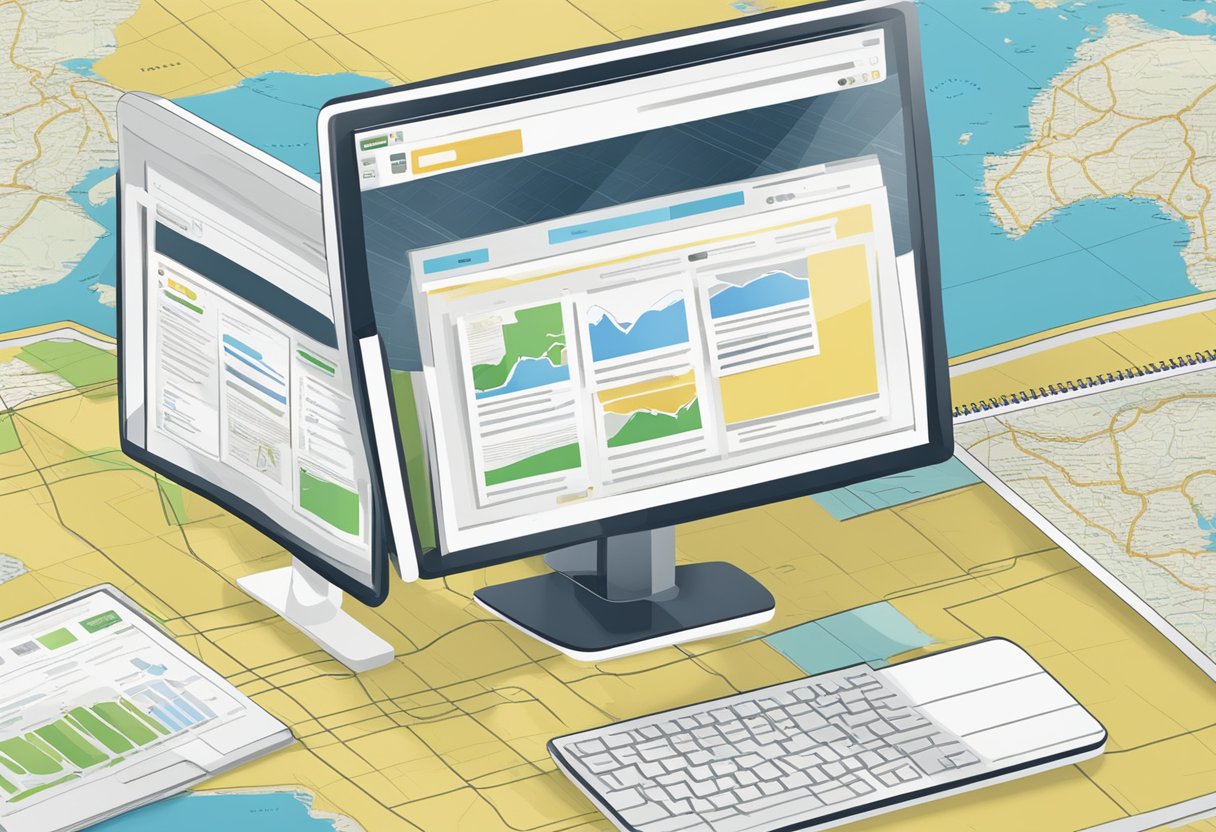
A computer screen showing various website design prices, with a map of South Africa in the background

Many options are available, with basic websites costing between R2,000 and R10,000 and more complex custom designs running from R20,000 to R50,000 or even higher. By knowing these ranges, we can tailor our budget to fit our specific needs and goals, ensuring that we invest wisely in our online strategy.

As we explore this topic, we will break down the different price points and what they typically include. This insight will empower us to choose the right design that not only meets our requirements but also enhances our brand in the digital space.

Determining Website Design Costs

A computer screen displaying various website design prices in South Africa

Understanding the costs associated with website design in South Africa involves examining various elements. We will explore key aspects such as the project’s scope, types of website designs, and factors that influence pricing.

Scope and Scale of the Project

The scope of a project is essential in determining the cost of website design. A basic website with fewer pages and limited functionality can range from R2,000 to R10,000. Conversely, larger projects, such as e-commerce websites or those with advanced features, can cost R20,000 or more.

The number of pages plays a significant role. Typically, a simple site with 5-10 pages falls into the lower price range. A medium website with 11-25 pages typically costs between R12,000 and R30,000.

Additionally, projects requiring ongoing management or updates may incur extra costs, especially if we need to implement a content management system (CMS).

Types of Website Design

We can choose between template-based designs and custom-designed websites, affecting the total cost. Template designs are often less expensive, as they use pre-made layouts and can be altered to fit needs. These prices usually range from R2,000 to R8,000.

On the other hand, custom websites are tailored to specific requirements and might include unique functionalities. This level of customisation can significantly increase costs, often reaching R50,000 or more depending on complexity.

Moreover, both types may need domain registration, which adds additional yearly fees.

Factors Influencing Price

Several factors influence the final price of a website design project. Design complexity can lead to increased costs. A responsive design that works on all devices ensures a better user experience but may raise expenses.

We should also consider the inclusion of SEO services and content creation, as these are vital for visibility and engagement. Integrating quality content not only improves user experience but also affects design intricacy.

Additional considerations include any specific functionalities, like payment gateways for e-commerce or interactive features, which will further impact the overall budget.

The Web Design Ecosystem in South Africa

A computer screen displaying a website with a South African flag and various web design price listings. A designer's desk with drawing tools and a globe in the background

In South Africa, the web design ecosystem is diverse, with a wide range of service providers catering to different needs. This includes freelancers and established agencies, along with ongoing maintenance and support options that are essential for keeping websites functional and secure.

Service Providers Available

We have a variety of service providers in South Africa, ranging from freelance designers to large established agencies. Freelancers often offer competitive pricing and personalised service. Established agencies usually have a team of professionals with various specialisations, including user experience and SEO.

The choice between these options depends on the project’s complexity and budget. Agencies can handle larger projects, including e-commerce platforms, while freelancers might be better for simpler designs. Understanding the expertise of each provider helps us to select the right team for our needs.

Maintenance and Long-Term Costs

Website maintenance is a crucial aspect of the web design process. Once a website is launched, ongoing costs can arise from updates, support, and security measures like SSL certificates. Users should factor in these hidden costs when budgeting for a project.

Regular maintenance helps avoid issues with website functionality and security. Establishing contracts with service providers can ensure we receive prompt support when needed. Additionally, we should consider the costs of hosting and any SEO and marketing efforts necessary to keep our websites visible and effective.

more articles:

What Web Designers Do

Web Designing Courses

What’s Website Design?

Best Website Design Software 

Discover the Best Beers in South Africa GuideDiscover the Best Beers in South Africa Guide

0 Comments 12:00 am

Welcome to our guide celebrating South Africa’s vibrant beer world! Whether you love beer or are just starting, we’re here to explore local brews with you. With over 200 microbreweries, our beer culture is booming.

The craft beer journey started in the 1980s with Mitchell’s Brewery in Knysna. Today, we have a wide range of flavours. From Devil’s Peak Brewing Company’s balanced brews to Darling Brew’s innovative beers, there’s something for everyone.

Join us as we explore the best breweries and beer tasting options. We’ll also look at how beer is a big part of our culture. Learn more about brewing history here and how it shapes the beer we love.

beer

Key Takeaways

  • Over 200 microbreweries showcase the growing popularity of craft beer in South Africa.
  • Mitchell’s Brewery, established in 1983, kickstarted the craft beer tradition.
  • Devil’s Peak Brewing Company and Darling Brew represent the innovation in crafting unique beers.
  • Beer culture in South Africa reflects our diverse heritage and social gatherings.
  • The craft beer movement is set to continue its growth as more breweries emerge.
  • Explore flavours from traditional lagers to experimental brews at local festivals.
  • For an in-depth history of brewing in our country, check out this link.

A Brief History of Beer Brewing in South Africa

Exploring the history of beer in South Africa helps us appreciate today’s unique brews. The journey started in the 17th century with European settlers. They brought brewing knowledge from their homes.

At the same time, local tribes like the Xhosa and Zulu made their own beers. They used maize and sorghum. This mix of cultures created a rich beer history.

Colonial Origins and Early Brewing Practices

As South Africa grew, so did its beer history. Early settlers set up breweries using local methods. This led to beers that showed the mix of cultures.

Indigenous recipes also evolved, adding to the variety of beers. This created a unique taste for South African beer.

The Rise of South African Breweries (SAB)

The late 19th century saw a big change with Castle Brewery’s founding in 1895. It grew into South African Breweries (SAB), dominating the market. SAB made lagers like Castle Lager famous.

These beers became symbols of national pride. They showed beer’s importance in South African life.

Microbreweries Emerge in the 1990s

The 1970s and 1980s saw a rise in home brewing. This led to the first microbreweries in the 1990s. Mitchell’s Brewery, opened in 1983, was a key start.

Today, we have over 211 microbreweries. They make nearly 34 million litres of craft beer a year. This shows our love for new and different beers.

This history shows how beer has shaped South Africa. It highlights our love for traditional and new brewing methods. For more on brewing, see this guide.

Year Event Details
17th Century Colonial Brewing Begins European settlers introduce brewing techniques and indigenous tribes create their local recipes.
1895 Castle Brewery Founded First industrial brewery, later leading to the formation of South African Breweries (SAB).
1950s SAB Dominance Established SAB becomes the largest producer, focusing on mass-produced lagers like Castle Lager.
1983 First Microbrewery Established Mitchell’s Brewery opens, initiating a craft beer movement.
1990s Rise of Microbreweries Growing number of microbreweries emerge, offering diverse options in the market.

Exploring the Diverse Types of Beer

The South African beer market is full of different styles. From traditional lagers to bold brews, each beer has its own taste. Ales, lagers, and stouts are popular, offering unique flavours for our taste buds.

Popular Styles: Ales, Lagers, and Stouts

Ales are made at warmer temperatures, giving them a wide range of flavours. They can taste fruity or rich. Lagers, on the other hand, are clean and crisp, made at cooler temperatures.

Dark lagers, like the Maroela Milk Stout, have chocolatey tastes. IPAs are known for their strong bitterness and aroma. In South Africa, we can enjoy many of these beers, perfect for our meals. Learn more about pairing beer with food here.

A Focus on Craft Beer and Experimentation

The craft beer scene in South Africa is growing fast. Young people are looking for unique flavours. Breweries like Devil’s Peak and Cape Brewing are leading the way, mixing old and new brewing methods.

This craft beer movement is more than just making beer. It’s a way of life that encourages us to try new things. For a deeper dive, check out our guide on beer tasting here.


What Are Small Business Loans?What Are Small Business Loans?

0 Comments 12:00 am

Business enterprise loans can be defined as cash provided for a defined amount of time at a given interest rate to a particular individual or people who manage a business enterprise or intend to run a small business. This definition is extensive, but so are the various types of loans available to business people. Deciding on which type of business enterprise loan you and your firm will benefit from the most is essential. Oftentimes, a start-up business or someone who has never owned a business enterprise will find themselves generally applying for a “personal” loan. This can be a very risky endeavour, combining business and personal loans, however, frequently it is the only available means for first-time small business owners. Find out more about Asset Finance Vehicle Leasing Doncaster

One of the first things personal business enterprise owners need to do is set up business credit.

Audi Leasing Doncaster

Talk to us Car Finance Doncaster Business enterprise credit can help you get a small business-only loan without using your individual credit. Establishing business credit can be done by:

  1. Setting up a business enterprise credit card account and paying it in full.
  2. Acquiring equipment and products from companies that will report good standing to the business enterprise credit bureaus.
  3. Creating a good business enterprise plan with projected income, letters of intent, and any type of customer contracts already prepared.

These actions can help in obtaining a business enterprise loan. Often, financial institutions require comprehensive business plans and be prepared to spend days preparing just the certification paperwork before applying for a small business loan. A business enterprise-only loan can be obtained in the business name without the use of personal credit as long as the business can justify the loan amount and the capacity to pay it back.

There are several multiple types of business enterprise loans available, ranging from those secured with collateral, non-secure loans, which are based upon the creditworthiness of the applicant, and even government loans for small business ventures, women, and minorities. Government loans are those loans secured by the government; in most instances, these loans are available when the small business or owner can prove that the community will prosper based on the business at hand. For the most part, government loans are based on personal credit. 
The basis for which you may need or require a business loan may vary. Some of the most common small business loans available to business enterprise owners are:

  • Business acquisition loans
  • Stock loans
  • Account Receivable Loans
  • Working Capital Loans which convert a company’s assets into working capital
  • Equipment Leasing
  • Commercial real estate financing
  • Warehouse financing
  • Loans for international business
  • Franchise loans

A key tool when choosing which small business loan your firm needs is studying. Exploring the various loan options available to you and your company can save you funds. First, look into the different types of small business loans available to you in your state. Many states have government loans available; some even offer grants, which are money available for specified purposes that do not require repayment. Research the different types of Government loans available. Visit us here Top Gear Asset Finance BMW Leasing Doncaster

Personal Injury Lawyer Las Vegas: What to Expect During the Legal ProcessPersonal Injury Lawyer Las Vegas: What to Expect During the Legal Process

0 Comments 12:00 am

When you choose to work with a personal injury lawyer in Las Vegas, you’re stepping into a structured legal journey that starts with an initial consultation. You’ll discuss the details of your case and how the injury has impacted your life. As your attorney gathers essential evidence to support your claim, you’ll begin to understand the importance of each piece of documentation. But don’t be surprised if you face initial settlement offers that seem low. Your lawyer’s strategy will be key, and it’s only the beginning of a complex negotiation process that’s worth exploring further.

Initial Consultation Process

When you decide to consult a personal injury lawyer in Las Vegas, you’ll find that the initial consultation process is both straightforward and essential for your case. This first meeting serves as a pivotal moment where you can share the details of your situation, and the lawyer assesses the merits of your claim. You’ll quickly realize that this isn’t just a formal chat; it’s your opportunity to gauge the lawyer’s expertise and approach.

During the consultation, you should be prepared to discuss the specifics of your injury, including how it occurred and its impact on your life. A skilled lawyer will ask pointed questions to understand the nuances of your case. They’ll evaluate key factors, such as liability and potential damages, helping you grasp the viability of your claim.

This process isn’t just about gathering information; it’s about building trust and rapport with your lawyer. You’ll want to feel confident that they’ll advocate for you vigorously.

Evidence Collection and Documentation

After you’ve established a rapport with your personal injury lawyer during the initial consultation, the next step involves gathering and organizing evidence to strengthen your case.

This process is essential, as solid evidence forms the backbone of your claim. You’ll want to collect all relevant documents, including medical records, accident reports, and any correspondence related to your injury.

Photographs of the accident scene, injuries, and property damage can greatly bolster your argument. Don’t underestimate the power of witness statements; they can provide vital insight into the incident.

Make sure to document everything meticulously, as even small details can make a difference. Your lawyer will guide you on what’s necessary, but taking the initiative to compile this information will show your commitment to your case.

Organizing evidence should be systematic—create a folder or digital file where everything is easily accessible.

Negotiation and Settlement Steps

Maneuvering the negotiation and settlement process can markedly influence the outcome of your personal injury claim. Once you’ve gathered your evidence, your attorney will initiate negotiations with the insurance company or the opposing party. This is where the art of persuasion comes into play. Your lawyer will present your case, highlighting the strengths of your evidence and the damages you’ve suffered.

Expect the initial settlement offer to be lower than what you deserve. Don’t be discouraged; it’s a common tactic. This is your chance to counter. Your attorney will help you establish a fair demand based on your medical bills, lost wages, and emotional distress.

Throughout this process, communication is key. Stay engaged and provide any additional information your lawyer needs to bolster your claim. If negotiations stall, don’t be afraid to contemplate mediation or even litigation.

Ultimately, the goal is to reach a settlement that adequately compensates you for your injuries and losses. Remember, being patient and strategic during this phase can lead to a more favorable outcome, allowing you to move forward with your life.

Understanding the Legal Process with an Experienced Attorney

When dealing with a personal injury case, knowing what to expect during the legal process is crucial. A qualified personal injury lawyer in Las Vegas will guide you through each step, ensuring that your rights are protected and your case is handled with the utmost care. For more information on navigating the legal system, check out this detailed article: Personal Injury Lawyer Las Vegas. With the right legal representation, you can confidently move forward in securing the compensation you deserve.

Understanding TF-IDF Calculators: A Comprehensive GuideUnderstanding TF-IDF Calculators: A Comprehensive Guide

0 Comments 12:00 am

In the realm of natural language processing (NLP) and information retrieval, the Term Frequency-Inverse Document Frequency (TF-IDF) metric stands as a cornerstone for text analysis and feature extraction. A TF-IDF calculator is an essential tool that leverages this metric to quantify the importance of words within a document relative to a corpus. This article delves into the intricacies of TF-IDF calculators, exploring their functionality, applications, and significance in modern data-driven environments.

What is TF-IDF?

TF-IDF is a statistical measure used to evaluate the importance of a word in a document relative to a collection of documents (corpus). It combines two metrics:

  1. Term Frequency (TF): Measures how frequently a term appears in a document. The assumption is that more frequent terms are more significant within that specific document.
  2. Inverse Document Frequency (IDF): Assesses the importance of a term across the entire corpus. It diminishes the weight of commonly occurring words and highlights terms that are more unique to specific documents.

The TF-IDF score is the product of these two metrics, providing a balanced representation of a term’s relevance both within a document and across the corpus.

How Does a TF-IDF Calculator Work?

A TF-IDF calculator automates the computation of TF-IDF scores for terms within documents. Here’s a step-by-step breakdown of its operation:

1. Input Preparation:

  • Corpus Selection: Define the collection of documents against which term importance will be measured.
  • Document Processing: Tokenize text, remove stop words, and perform stemming or lemmatization to standardize terms.

2. Term Frequency Calculation (TF):

  • For each document, count the number of times each term appears.
  • Normalize these counts, often by the total number of terms in the document, to account for document length variations.

3. Inverse Document Frequency Calculation (IDF):

  • Determine the number of documents in which each term appears.
  • Compute IDF using the formula:

textIDF(t) = logleft(fracN1 + n_tright)

where:

  • N = Total number of documents in the corpus.
  • n_t = Number of documents containing term t .

4. TF-IDF Score Computation:

  • Multiply the TF and IDF values for each term in each document:

textTF-IDF(t, d) = textTF(t, d) times textIDF(t)

where:

  • t = Term.
  • d = Document.

5. Output Generation:

  • Present the TF-IDF scores, often in a matrix format, where rows represent documents and columns represent terms.

Applications of TF-IDF Calculators

TF-IDF calculators are pivotal in various domains, including:

1. Search Engines:

  • Enhance search relevance by ranking documents based on TF-IDF scores, ensuring that more pertinent documents appear higher in search results.

2. Text Mining and Analytics:

  • Identify key terms and topics within large text corpora, facilitating insights into prevalent themes and patterns.

3. Document Classification and Clustering:

  • Serve as feature vectors for machine learning algorithms, enabling the categorization and grouping of documents based on content similarity.

4. Recommendation Systems:

  • Improve content-based recommendations by analyzing the textual content of items and user preferences.

5. Spam Detection:

  • Detect spam by analyzing term frequencies that are characteristic of spammy content.

Advantages of Using TF-IDF Calculators

  • Simplicity and Efficiency: TF-IDF is straightforward to implement and computationally efficient, making it suitable for large datasets.
  • Effectiveness: It effectively highlights important terms, improving the performance of various NLP tasks.
  • Flexibility: Applicable across diverse languages and domains with minimal adjustments.

Limitations and Considerations

While TF-IDF calculators are powerful, they have certain limitations:

  • Semantic Understanding: TF-IDF does not capture the semantic relationships between terms, potentially missing contextual nuances.
  • Static Nature: It treats each term independently, without considering term dependencies or sequence.
  • Sensitivity to Corpus Quality: The effectiveness of TF-IDF relies heavily on the quality and representativeness of the corpus.

To mitigate these limitations, TF-IDF is often complemented with other techniques such as word embeddings or advanced language models.

Popular TF-IDF Calculator Tools and Libraries

Several tools and libraries facilitate the computation of TF-IDF scores:

1. Scikit-learn (Python):

  • Provides the TfidfVectorizer class for easy integration into machine learning pipelines.

2. NLTK (Python):

  • Offers utilities for text processing that can be combined with TF-IDF computations.

3. Apache Lucene:

  • A robust search library that incorporates TF-IDF for indexing and searching text.

4. Online TF-IDF Calculators:

  • Various web-based tools allow users to input text and receive TF-IDF scores without the need for programming.

Conclusion

A TF-IDF calculator is an indispensable tool in the toolkit of data scientists, researchers, and developers working with textual data. By quantifying the significance of terms within documents and across corpora, it facilitates enhanced information retrieval, effective text analysis, and informed decision-making. Despite its limitations, when combined with other advanced techniques, TF-IDF remains a foundational metric driving the evolution of intelligent text-based applications.

Harnessing the power of TF-IDF through efficient calculators not only streamlines text processing workflows but also unlocks deeper insights, paving the way for innovative solutions in an increasingly data-centric world.

Tampa Criminal Defense Lawyer: Defending Your Rights, Safeguarding Your FutureTampa Criminal Defense Lawyer: Defending Your Rights, Safeguarding Your Future

0 Comments 12:00 am

When you’re facing criminal charges, there’s no time for guesswork. You need a seasoned Tampa Criminal Defense Lawyer – someone with the grit, knowledge, and experience to champion your case. Here at our firm, your future is our highest priority.

Why Choose Our Tampa Criminal Defense Attorney?

As a dedicated Tampa Criminal Lawyer, we understand the gravity of what’s at stake: your freedom, reputation, and the very life you’re accustomed to – all hinging on the outcome of the trial. Every step in the legal process counts, and our Tampa Defense Attorney ensures that no stone is left unturned as we craft a compelling defense strategy for you.

Fighting For You: The Tampa Criminal Law Attorney Who Cares

Compassion is the cornerstone of our service. As your Tampa Criminal Defense Attorney, we provide not just top-notch legal service, but also emotional support during these trying times. Imagine having a confidante who knows the law and battles for your rights, helping you navigate the complex world of legal jargon and court proceedings.

Proudly Serving Tampa: A Trusted Criminal Defense Counsel

Integrity, transparency, and commitment set us apart as your chosen Tampa Criminal Defense Counsel. As your lawyer, we’ll keep you informed every step of the way, breaking down complex legal terms into language you can understand. It’s like having a friend who’s also a powerhouse attorney, fighting for you.

Experience You Can Trust: Tampa Criminal Defense Firm

Facing criminal charges can be like walking through a maze with no sight of the exit. That’s where our Tampa Criminal Defense Firm steps in, guiding you through this legal labyrinth with conviction and grit. With our proven track record, you know you’re in safe hands with our Tampa Criminal Trial Lawyer.

Results-Driven Legal Representation: Tampa Criminal Trial Lawyer

Like a skilled surgeon operating with precision and confidence, our Tampa Criminal Trial Lawyer dives into your case, dissecting evidence, and constructing a strategic defense. As your Tampa Legal Defense Attorney, we focus on delivering results, driven by relentless determination to safeguard your rights and freedom.

Conclusion: Your Trusted Legal Ally in Tampa

It’s no small feat to entrust your freedom and future to a lawyer during such trying times. That’s why you need a Tampa Criminal Defense Lawyer who truly cares, champions your rights, and fights for your best outcome. We’ve got your back.

Hersem Law

Address: 1550 W Cleveland St Suite 9, Tampa, FL 33606, United States
Phone Number: (813) 251 – 7291


Frequently Asked Questions

1. What makes a Tampa Criminal Defense Lawyer different?

In our firm, you’ll find not just expert attorneys but compassionate allies. Our team keeps you informed, fights for your rights, and navigates the complex legal system on your behalf.

2. What can a Tampa Defense Attorney do for me?

From dissecting evidence to representing you in court, a defense attorney guides you through the entire legal process, working tirelessly to secure your best possible outcome.

3. How can a Tampa Criminal Defense Counsel help me keep my future intact?

By fighting for your rights and crafting a compelling defense strategy, our counsel ensures your freedom, reputation, and future remain your own.

4. How do I contact a Tampa Criminal Defense Attorney from your firm?

To kickstart your defense strategy, simply drop us a message or give us a call. Our team is ready to stand up for your rights!

Dentavim: Your Key to a Healthier, Brighter SmileDentavim: Your Key to a Healthier, Brighter Smile

0 Comments 12:00 am

Section 1: Introducing Dentavim: A Revolutionary Dental Solution

Are you tired of dealing with dental issues that affect your confidence and overall well-being? Look no further than Dentavim, a groundbreaking product that is transforming the way people care for their teeth and gums. This innovative solution is designed to address a wide range of dental concerns, from cavities and gum disease to teeth whitening and sensitivity.

Dentavim is the result of years of research and development by leading dental experts who are committed to improving oral health worldwide. By combining cutting-edge technology with natural ingredients, Dentavim offers a safe, effective, and easy-to-use solution for people of all ages.

Section 2: The Science Behind Dentavim: How It Works

Dentavim’s unique formula is based on a deep understanding of the complex processes that occur within the mouth. The product contains a proprietary blend of minerals, vitamins, and plant extracts that work synergistically to promote optimal dental health.

One of the key ingredients in Dentavim is a special form of calcium that helps to strengthen tooth enamel, reducing the risk of cavities and decay. Additionally, Dentavim contains powerful antioxidants that fight harmful bacteria and prevent the buildup of plaque and tartar.

Section 3: Dentavim’s Benefits: A Comprehensive Approach to Oral Health

Dentavim offers a wide range of benefits for people looking to improve their oral health. First and foremost, it helps to prevent cavities and gum disease by neutralizing harmful acids and bacteria in the mouth. This not only keeps your teeth and gums healthy but also helps to prevent bad breath.

Moreover, Dentavim is an excellent choice for people who want to whiten their teeth without harsh chemicals or expensive treatments. The product’s natural whitening agents gently remove stains and discoloration, leaving you with a brighter, more confident smile.

Section 4: Using Dentavim: Simple, Effective, and Safe

One of the best things about Dentavim is how easy it is to use. Simply apply the product to your teeth and gums twice a day, using the convenient applicator brush. Dentavim’s smooth, minty gel is pleasant to use and leaves your mouth feeling fresh and clean.

Unlike some other dental products on the market, Dentavim is entirely safe and free from harsh chemicals or artificial additives. This makes it an excellent choice for people with sensitive teeth or gums, as well as those who prefer natural, eco-friendly products.

Section 5: Dentavim Success Stories: Real People, Real Results

Since its launch, Dentavim has helped countless people achieve healthier, more beautiful smiles. Many users report significant improvements in their oral health within just a few weeks of using the product regularly.

One satisfied customer, Sarah, writes: “I’ve always struggled with sensitive teeth and gums, but since I started using Dentavim, I’ve noticed a huge difference. My teeth feel stronger and less sensitive, and my gums are no longer red and inflamed. I highly recommend this product to anyone looking to improve their dental health!”

Section 6: Get Started with Dentavim Today: Your Path to a Better Smile

If you’re ready to take control of your oral health and achieve the smile you’ve always wanted, Dentavim is the perfect solution. With its innovative formula, comprehensive benefits, and easy-to-use design, Dentavim makes it simple to care for your teeth and gums effectively.

To get started, visit the Dentavim website today and order your first supply. With a 30-day money-back guarantee and free shipping on all orders over $50, there’s never been a better time to invest in your dental health. Join the thousands of satisfied customers who have already discovered the power of Dentavim and start your journey to a healthier, brighter smile today!

Staffing Management Software: Streamlining Your Workforce EfficiencyStaffing Management Software: Streamlining Your Workforce Efficiency

0 Comments 12:00 am

In today’s fast-paced business environment, managing staff effectively is crucial for success. Staffing management software streamlines the hiring process, enhances employee allocation, and increases overall productivity. With the right tools, we can navigate complex staffing needs and ensure we have the right people in the right roles at the right time.

A computer screen displays a user-friendly interface with various tabs for scheduling, employee profiles, and performance tracking. Graphs and charts show data analysis

As we explore staffing management software further, we will discover how it simplifies the recruitment process and helps us make informed decisions based on real-time data. This technology not only saves time but also reduces the stress associated with managing personnel, allowing us to focus on what really matters—growing our business and supporting our teams.

Whether we are a small business owner or part of a large organisation, effective staffing is key to reaching our goals. By embracing modern solutions, we can optimise our staffing strategies and build stronger, more adaptable teams. Let’s dive into the benefits and features of staffing management software to see how it can transform our approach to personnel management.

Key Features of Staffing Management Software

Staffing management software offers several essential features that improve the recruitment process. These tools streamline operations, enhance communication, and ensure compliance, making staffing more efficient for any organisation.

Applicant Tracking and Recruitment Automation

Applicant tracking systems (ATS) are central to effective recruitment. They allow us to manage job postings across platforms like LinkedIn, Indeed, and ZipRecruiter with just a few clicks. Automation features greatly simplify this process by enabling automated job posting.

With resume screening, our software can quickly sift through applications, filtering candidates based on pre-set criteria. This saves us time and ensures we focus on the best fits. Moreover, built-in interview scheduling tools help us coordinate with candidates more efficiently. Templates for emails or notifications also streamline communication, making interactions smoother and more professional.

Onboarding and Compliance

The onboarding process is crucial for integrating new employees into our teams. Software solutions offer functionalities for managing all necessary onboarding documents, including contracts and compliance papers. With features like e-signature, we can obtain necessary approvals quickly.

Compliance management ensures we meet regulations such as GDPR, CCPA, and PDPA. The software helps us track employee consent for data handling and keeps records organised. This reduces our risk of legal issues and ensures that we are always aligned with current laws.

Talent Acquisition and Candidate Sourcing

Effective talent acquisition requires a strategic approach to candidate sourcing. We can utilise our staffing management software to gather candidate profiles from various job boards and social platforms, including Facebook.

The integration of communication tools allows us to reach out directly to potential hires, making the process more engaging. The system can also analyse language proficiency and other skills to match candidates to specific job requirements. By creating a robust recruiting CRM, we can manage our relationships with candidates better and keep track of their progression throughout the recruitment process. This ensures we stay organised and responsive.

Operational Efficiency and Integration

Operational efficiency is crucial in staffing management software. By streamlining processes like payroll and billing, leveraging analytics, and ensuring smooth integration, we can enhance our workflows and improve service delivery.

Payroll, Billing, and Invoicing

Effective management of payroll, billing, and invoicing can significantly impact the operational efficiency of staffing agencies. Our software automates these processes, reducing the time spent on manual tasks.

  • Payroll Management: With features such as automated calculations and compliance with GDPR regulations, we can ensure timely and accurate payroll processing.
  • Billing and Invoicing: Streamlined billing processes help us generate invoices seamlessly. We can easily integrate billing with client agreements to minimise discrepancies.

These features allow our admin and HR teams to focus on strategic activities instead of administrative burdens.

Analytics and Reporting

Analytics and reporting tools are vital for monitoring performance and making informed decisions. Our software provides real-time insights into various recruitment metrics.

  • Key Performance Indicators (KPIs): We can track metrics such as time-to-fill and candidate scoring, helping us optimise recruitment efforts.
  • Customisable Reports: We can generate custom reports tailored to the needs of our clients or internal teams. This ensures that relevant data is easily accessible for analysis.

Utilising these tools enhances our ability to adjust strategies and improve client satisfaction continuously.

Integration and Scalability

Integration capabilities allow our staffing management software to work seamlessly with other systems. This flexibility is essential for large organisations that require robust solutions.

  • API Access: With API access, we can connect our software to other platforms, such as CRM systems, ensuring data flows efficiently between different applications.
  • Software-as-a-Service (SaaS): Our cloud-based model enables easy scalability. We can accommodate different users and adjust features as our agency grows.

These integration options make it easier for recruiters to manage the recruitment process effectively, allowing for a more agile response to market demands.


What Does Third-Party Claims Mean in the Legal Space?What Does Third-Party Claims Mean in the Legal Space?

0 Comments 12:00 am

In legal proceedings, a “third-party claim” refers to a situation where a defendant brings another party into a lawsuit, alleging that this additional party is partially or fully responsible for the plaintiff’s damages. According to the Munley Law Glossary, third-party claims are common in cases involving insurance, personal injury, and construction law. They serve to ensure that liability is fairly distributed among all parties who may be responsible for the damages claimed by the plaintiff. This process can help shift or share the financial burden of a legal claim to another entity.

Understanding Third-Party Claims

A third-party claim is essentially a form of legal action taken by a defendant who believes that someone else, not initially part of the lawsuit, is liable for some or all of the plaintiff’s claimed damages. In such cases, the defendant (now referred to as the “third-party plaintiff”) files a complaint against the new party, known as the “third-party defendant.” This type of claim can occur in various legal contexts, such as insurance disputes, workplace injuries, or construction defects.

How Third-Party Claims Work

The process of filing a third-party claim usually involves several steps:

  • Initiation of the Lawsuit: The original lawsuit is filed by the plaintiff against the defendant, alleging that the defendant is liable for damages.
  • Third-Party Complaint: The defendant, believing another party is responsible, files a third-party complaint against the new party, seeking to pass liability, share it, or seek indemnity (compensation for damages paid to the plaintiff).
  • Service and Response: The third-party defendant is then served with the complaint and must respond to the allegations. They can either accept the responsibility, deny the claims, or even bring in additional parties as needed.
  • Resolution: The court will determine the responsibility of the original defendant, the third-party defendant, or both. It can involve settlements or trials where the judge or jury apportions liability.

Examples of Third-Party Claims

Several scenarios demonstrate how third-party claims might arise:

  • Car Accidents: In a car accident lawsuit, the driver being sued may file a third-party claim against another driver, arguing that the third driver’s negligence contributed to the accident. For example, if a pedestrian sues a driver for injuries, the driver might bring a claim against another motorist who made an illegal turn and contributed to the collision.
  • Construction Disputes: If a property owner sues a general contractor for defective construction work, the contractor may file a third-party claim against a subcontractor who performed the work, alleging that the subcontractor’s negligence caused the defects.
  • Product Liability: When a customer is injured due to a defective product and sues the retailer, the retailer could file a third-party claim against the manufacturer, claiming that the defect originated from the manufacturing process.
  • Workplace Accidents: If an employee sues their employer for an injury sustained at work, the employer might file a third-party claim against the equipment manufacturer, arguing that faulty machinery contributed to the accident.

The Role of Insurance in Third-Party Claims

Insurance policies often play a significant role in third-party claims, especially in liability and indemnity cases:

  • Liability Insurance: When a person or company has liability insurance, their insurer may handle the third-party claims process on their behalf. For example, if a homeowner is sued for a dog bite incident, the homeowner’s liability insurance may file a third-party claim against the dog sitter who was watching the dog at the time of the incident.
  • Subrogation Claims: Insurance companies may pursue third-party claims under subrogation, which allows the insurer to step into the shoes of the insured and seek reimbursement from the party responsible for causing the damage. This process helps the insurer recover costs paid to the policyholder.
  • Indemnity Agreements: In some cases, businesses may have indemnity agreements with contractors or service providers that specify how liability is to be shared. In the event of a lawsuit, the terms of these agreements can dictate whether a third-party claim is necessary and how the liability is to be apportioned.

Legal Considerations in Third-Party Claims

When dealing with third-party claims, various legal factors come into play:

  • Timing: The timing for filing a third-party claim is crucial, as it generally needs to be done early in the litigation process. Courts may have strict rules about when such claims can be added to avoid delaying the proceedings.
  • Jurisdictional Rules: Different jurisdictions have specific rules governing the filing of third-party claims. Understanding these local rules is essential for properly bringing a third-party into a lawsuit.
  • Impact on Settlement Negotiations: The addition of a third-party claim can complicate settlement discussions, as more parties become involved in determining how to resolve the dispute. It may lead to multiple settlements or agreements on shared liability.
  • Contribution and Indemnity Claims: A third-party claim can seek either contribution or indemnity. Contribution involves seeking to share liability with the third-party defendant, while indemnity seeks full reimbursement for any damages paid.

Benefits and Challenges of Third-Party Claims

Third-party claims offer certain advantages, such as distributing liability among multiple parties and potentially reducing the financial burden on the original defendant. They also promote fairness in legal proceedings by ensuring that all responsible parties are considered. However, these claims can also complicate legal cases, leading to longer litigation and higher legal costs due to the involvement of additional parties.

Heat Transfer Vinyl Printing: A Comprehensive Guide to Techniques and ApplicationsHeat Transfer Vinyl Printing: A Comprehensive Guide to Techniques and Applications

0 Comments 12:00 am

Heat transfer vinyl printing is a popular method for creating custom designs on various fabrics. This technique uses heat and pressure to transfer vinyl onto a material, allowing for durable and vibrant prints. We can achieve stunning results with relative ease, making it a favourite among DIY enthusiasts and professional designers alike.

A vinyl printing machine applies heat to transfer a design onto a fabric, with rolls of vinyl and a heat press in the background

This printing method offers versatility, as it can be used on a wide range of fabrics, including cotton, polyester, and blends. It opens up exciting possibilities for personalisation, from t-shirts and bags to home decor items. By understanding the basics of heat transfer vinyl, we can unlock our creativity and elevate our projects.

As we explore this topic further, we will delve into the process, materials needed, and tips for achieving the best results. Whether we are beginners or seasoned pros, there’s always something new to learn about this engaging printing technique.

Understanding Heat Transfer Vinyl Printing

Heat transfer vinyl (HTV) printing allows us to create custom designs on various fabrics using a straightforward process. We focus on the types of materials to use, the essential equipment needed, and the steps involved to achieve high-quality results.

Basics of Heat Transfer Vinyl (HTV)

Heat transfer vinyl is a special type of vinyl material that adheres to fabric when heat and pressure are applied. It comes in various colours and finishes, including matte and glossy.

Key Steps in HTV Printing:

  1. Design: We create our designs using design software, often in SVG format, suitable for vinyl cutting.
  2. Cutting: The design is cut from the HTV using a vinyl cutter, such as a Silhouette or Cricut machine. A test cut helps ensure the settings are correct.
  3. Weeding: After cutting, we remove the excess vinyl using a weeding tool, exposing the design.

Once we have our design prepared, we are ready to transfer it onto the fabric using a heat press.

Selecting the Right Materials

Choosing the right materials is crucial for successful HTV printing. The main component is the heat transfer vinyl itself, which should match our project’s needs.

Important Considerations:

  • Fabric Type: HTV works best on cotton, polyester, and blends. The fabric’s composition affects how well the vinyl adheres.
  • Vinyl Thickness: Thicker HTV may offer better durability but could feel heavier on some fabrics.
  • Transfer Paper: For printable HTV, we need transfer paper to help adhere the design during the heat press process.

It’s vital to check the specific requirements of the HTV we choose, including recommended temperature and pressure settings for the best results.

Essential Equipment for HTV Printing

To execute a successful HTV project, we need specific equipment. This includes a vinyl cutter, heat press, and cutting mat.

Key Equipment:

  • Vinyl Cutter: This machine accurately cuts the HTV based on the design file.
  • Heat Press: A heat press allows us to apply consistent heat and pressure, ensuring even transfer of the vinyl to the fabric.
  • Weeding Tool: This tool helps us remove excess vinyl carefully without damaging the design.

Having a good setup enhances the durability and quality of our final product. With the right materials and equipment, we can confidently create custom designs for various projects.

Perfecting the Heat Transfer Process

In perfecting the heat transfer process, we focus on mastering the cut, applying effective heat pressing techniques, and troubleshooting common issues. Each aspect is crucial for achieving high-quality results in our projects.

Mastering the Cut and Weed

To ensure a successful transfer, we start with cutting our heat transfer vinyl (HTV) using design software like Cricut Design Space or Silhouette Studio. Choosing the right settings for the material and blade type is key. Each vinyl may require different pressure, speed, and depth settings.

We recommend using the “mirror” option when cutting vinyl for an accurate transfer. Once cut, we weed the excess vinyl carefully, leaving only our design. We can use tools like weeding pens for intricate designs. Proper weeding ensures a clean look and prevents issues during the heat pressing phase.

Heat Pressing Techniques

Heat pressing is what binds our vinyl to the fabric. First, we preheat the heat press machine to the recommended temperature, usually between 150°C to 180°C, depending on the HTV type. We determine the pressing time, which can range from 10 to 30 seconds.

Using a Teflon sheet or parchment paper on top of the design provides added protection. If our fabric is sensitive, we can use a heat pad for extra cushioning. After pressing, we decide between a hot peel or a cold peel based on the HTV instructions. Adhering to these steps helps us avoid damaging the vinyl or fabric.

Troubleshooting Common HTV Issues

Despite our best efforts, we may encounter issues during the process. If the vinyl does not adhere properly, our first step is to check the temperature and pressure settings. If the HTV bubbles up, this may indicate overheating or inadequate cooling time.

For peeling problems, ensure we follow the correct peel method. Sometimes, we can fix lifting edges by re-pressing with extra pressure. Always review the care instructions for the garment after applying the vinyl. Proper maintenance can extend the life of our custom apparel and ensure the best outcomes.